My husband asked for a divorce. He said, “I want the house, the cars, everything—except the son.” My lawyer pleaded with me to fight. I answered, “Give it all to him.”
Everyone thought I’d lost my mind. At the final hearing, I signed everything away. He didn’t realize I had already won. He smiled—until his lawyer…
When Daniel told me he wanted a divorce, he didn’t try to soften his tone. We were seated at the kitchen island of the house I had helped design, the one with the skylight he loved bragging about to his friends.
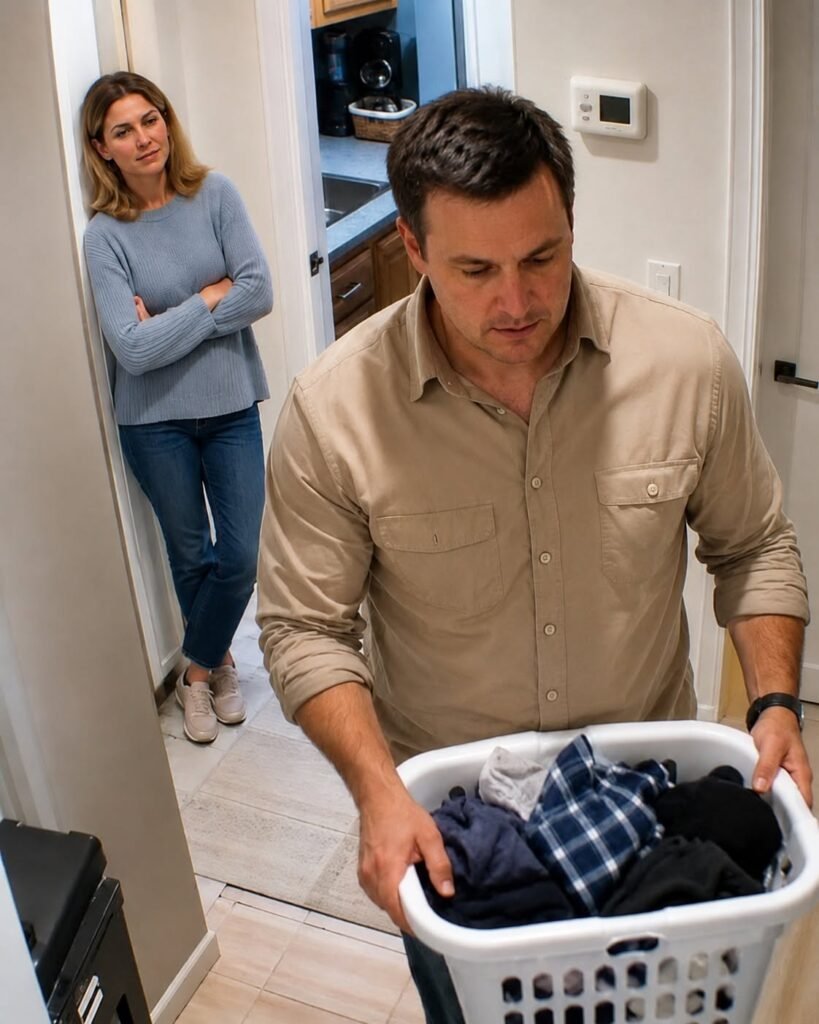
He clasped his hands, calm and almost detached, and said, “I want the house, the cars, the savings. Everything.” He paused, then added, like it was insignificant, “You can keep our son.”
Our son, Ethan, was eight years old and upstairs working on homework. I remember noticing how deliberately Daniel avoided saying Ethan’s name, as if calling him “the son” made it easier to hand him over. My chest tightened, but I didn’t cry. I had learned long ago that Daniel mistook tears for weakness.
My lawyer, Margaret Collins, nearly dropped her pen when I repeated Daniel’s demands in her office a week later. “Emma, this isn’t reasonable,” she said. “You contributed financially. You’re entitled to half. And full custody isn’t something you just give up without negotiation.”
“I want him to have it all,” I replied.
She stared at me like I’d completely lost my mind. “Why would you do that?”
Because the real conflict had already happened, even if no one else recognized it yet. Daniel had underestimated me for twelve years of marriage, and that blind spot was about to cost him everything that truly mattered.
At mediation, I didn’t argue. I didn’t negotiate. I signed where they told me to sign. Daniel looked almost thrilled, tapping his fingers on the table, already picturing himself alone in the big house, driving his new car, free of responsibility except a monthly child support payment he assumed would be small.
Friends called me reckless. My sister cried and begged me to rethink it. Even Margaret tried one last time. “There has to be a reason,” she said quietly. “If there is, I hope it’s solid.”
“It is,” I told her.
The final hearing was short. The judge reviewed the agreement, raised an eyebrow at the imbalance, then asked if I understood what I was giving up. I said yes. Daniel smiled for the first time in months, wide and satisfied. He looked at me like he’d finally won a game he’d been playing for years.
I signed the final document and slid the pen back across the table. Daniel’s lawyer leaned in to whisper something to him, her expression changing as she read the attached addendum.
Daniel’s smile froze.
That was the moment the room shifted, and the real story finally began…….
His lawyer whispered again.
This time Daniel actually grabbed the addendum from her hand.
The paper crackled sharply in the quiet courtroom.
His eyes moved across the first paragraph.
Then the second.
Then back to the first.
“What is this?”
Margaret didn’t answer.
Neither did I.
Daniel lifted his head toward the judge.
“I didn’t agree to this.”
His attorney, Rachel Stern, closed her eyes for half a second.
“Yes, you did.”
“No.”
His voice rose.
“I agreed to the house. The cars. The accounts.”
Rachel spoke through clenched teeth.
“You agreed to assume all liabilities attached to the assets you demanded.”
Daniel turned toward me.
I watched the exact second he understood that the word liabilities mattered.
The judge adjusted his glasses.
“Mr. Bennett, the provision appears in the mediated settlement agreement your counsel submitted.”
Daniel flipped pages.
“There weren’t liabilities.”
Margaret finally spoke.
“There are.”
His head snapped toward her.
“How many?”
Margaret looked at me.
I nodded.
She opened a folder.
“The residence carries a commercial guaranty tied to Bennett Development Group.”
Daniel went white.
Rachel whispered, “Commercial?”
“The two vehicles are company-leased and cross-collateralized.”
Daniel’s breathing changed.
Margaret continued.
“And the joint savings account you insisted upon retaining has been subject to a temporary hold pending the resolution of several outstanding business claims.”
The silence that followed felt physical.
Daniel slowly turned toward his lawyer.
“You said everything was clean.”
Rachel stared at him.
“You told me everything was clean.”
He looked at me.
I said nothing.
That made him angrier.
“What did you do?”
The question almost made me smile.
It was always the same with Daniel.
If consequences reached him, somebody else had caused them.
“I didn’t do anything.”
“You set me up.”
“No.”
I folded my hands in my lap.
“You asked for everything.”
His nostrils flared.
“And I gave you everything.”
The judge struck the bench lightly with his pen.
“Mr. Bennett, control yourself.”
Daniel lowered his voice, but the fury remained.
“You knew.”
“Yes.”
Rachel looked at me.
“Knew what?”
I glanced at Margaret.
She reached for another file.
This one was thicker.
Much thicker.
The judge noticed.
So did Daniel.
My heart began beating harder.
Not because I was afraid of losing.
That had stopped mattering months ago.
I was afraid of what came next.
Because beneath all the money, paperwork, and resentment was Ethan.
An eight-year-old boy who had heard his father call him “the son.”
An eight-year-old boy who had stopped asking whether Daddy would be home for dinner.
An eight-year-old boy who, two nights before the hearing, had quietly asked me whether fathers could divorce children too.
That was the only question I had cared about answering.
Margaret placed the folder on the table.
“Your Honor, before final entry, there is another issue regarding Mr. Bennett’s financial disclosures.”
Daniel’s face hardened.
Rachel leaned toward him.
“What issue?”
He didn’t answer her.
That was my first confirmation.
He knew exactly what was inside that folder.
The judge looked at Margaret.
“Proceed.”
She opened it.
“During discovery, Mr. Bennett represented that Bennett Development Group had no undisclosed secured obligations.”
Rachel slowly turned toward her client.
Daniel stared straight ahead.
Margaret continued.
“However, three weeks ago, my client received notice from First Commonwealth Bank concerning a personal guaranty connected to a development project known as Lakeview Terrace.”
Rachel whispered, “Daniel.”
His jaw flexed.
I remembered the day the notice arrived.
A plain envelope.
Nothing dramatic.
I had opened it at the old apartment Ethan and I had moved into after Daniel filed.
The first page made no sense.
Then I reached the signature block.
My name.
Emma Bennett.
Guarantor.
Except I had never signed it.
I had stared at my own forged signature for nearly five minutes.
Then I called Margaret.
She told me not to contact Daniel.
Not to accuse him.
Not to give him any warning.
We ordered records.
Bank statements.
Loan files.
Email authorizations.
And then the lie grew teeth.
Daniel hadn’t only forged my name.
He had used our house as additional security for a failing commercial project.
The same house he demanded.
The same house he bragged about.
The same house he believed represented his victory.
The debt attached to it was almost $1.8 million.
The courtroom air seemed to thin.
Rachel stood.
“Your Honor, I need a brief recess.”
Daniel grabbed her sleeve.
“No.”
She looked down at his hand.
“Take your hand off me.”
He released her.
The judge watched him carefully.
“Counsel?”
Rachel’s face had changed.
She no longer looked like Daniel’s advocate.
She looked like a professional realizing her client had lied to her.
“I was not informed of any alleged forgery.”
Margaret replied, “We did not allege it until the forensic review was complete.”
Daniel slammed his palm against the table.
“There was no forgery.”
The bailiff moved closer.
I felt the old instinct rise in me.
That reflex I had developed over twelve years.
Calm him down.
Protect the room.
Make excuses.
I almost hated how automatic it still was.
Then I thought of Ethan upstairs doing homework while his father divided our life and dismissed him in six words.
You can keep our son.
I let Daniel be angry.
Margaret removed a document from the folder.
“The bank’s original guaranty bears Emma’s signature. Our examiner concluded it was mechanically reproduced from a signature page on a prior home-equity document.”
Rachel sank slowly into her chair.
Daniel looked at me.
For the first time, real fear entered his face.
“You hired an examiner?”
“Yes.”
“Before mediation?”
“Before you demanded the house.”
His eyes narrowed.
“You knew the house was underwater and still gave it to me?”
“No.”
My voice stayed quiet.
“I knew you had secretly borrowed against our family’s security. You demanded ownership of the thing you had endangered.”
“That’s the same thing.”
“It isn’t.”
He stared at me.
“Why didn’t you fight?”
There it was.
The question everyone had asked.
Margaret.
My sister.
Friends.
People who thought surrendering property meant surrendering power.
I looked directly at Daniel.
“Because I wanted you to choose.”
His brow furrowed.
“Choose what?”
“Us.”
He laughed once.
A disbelieving sound.
“I gave you every opportunity to ask what I wanted.”
Daniel stared.
“At mediation, I said yes to the house.”
My throat tightened.
“You smiled.”
A flicker.
“I said yes to the cars.”
His eyes dropped.
“You smiled.”
I kept going.
“I said yes to the savings.”
The courtroom was completely silent.
“Then Margaret asked whether you wanted joint custody of Ethan.”
His face changed.
Rachel stopped taking notes.
“You said no.”
I remembered it perfectly.
Daniel had leaned back in his chair.
Almost bored.
“He’s closer to Emma anyway.”
Then he had looked at the financial spreadsheet.
As though our son belonged in a different category.
I swallowed.
“That was the last asset in the room you could have fought for.”
Daniel’s lips parted.
“And you didn’t.”
His face hardened.
“Don’t turn this into some moral test.”
“It wasn’t.”
I looked at him.
“It was clarity.”
The judge lowered his gaze.
Even he looked uncomfortable.
Daniel whispered, “You manipulated me.”
“No.”
“For months.”
“No.”
“You knew I’d take the property.”
“Yes.”
“Then you manipulated me.”
I shook my head.
“I stopped protecting you from yourself.”
That was the difference.
For twelve years I had translated Daniel.
When he forgot Ethan’s school concert, I said work was stressful.
When he missed my birthday, I said deadlines were brutal.
When he shouted, I lowered my own voice so the neighbors wouldn’t hear.
When his business started failing, I used part of my inheritance to keep the mortgage current.
When he became secretive, I told myself successful men carried pressure differently.
I had turned marriage into a full-time job managing the consequences of his personality.
Then one evening, Ethan broke a glass at dinner.
Just a glass.
Daniel exploded.
Not physically.
Worse in some ways.
He stood over our son while Ethan stared at the table, shoulders folded inward, and said, “Do you ever think before you ruin something?”
Ethan was seven.
That night I found him in bed sweeping tiny imaginary crumbs from his blanket.
“What are you doing?”
“Making sure I don’t ruin anything.”
Something in me broke.
Not loudly.
Permanently.
I started paying attention.
Really paying attention.
And when Daniel asked for the divorce six months later, he thought he was abandoning me.
He didn’t understand he was opening the door I had been afraid to open myself.
The judge called a recess.
Daniel followed Rachel into the hallway.
Margaret touched my arm.
“You okay?”
“No.”
She nodded.
“Good answer.”
We remained seated.
My hands were shaking beneath the table.
Margaret noticed.
“You can still challenge the settlement.”
“No.”
“Emma.”
“I mean it.”
“The forged guaranty changes everything. You could ask the court to rescind the property allocation.”
“I know.”
“You could recover your share.”
“I know.”
She studied me.
“Then why not?”
Because that was the final choice.
The one I had been avoiding.
It would have been easy to call everything strategy.
Let Daniel have the poisoned assets.
Let him drown in the debt he created.
Walk away with Ethan.
Clean.
But there was one problem.
The house wasn’t just Daniel’s punishment.
It was Ethan’s childhood home.
The oak tree where we’d buried his hamster.
The pencil marks inside the pantry door showing his height every birthday.
The bedroom ceiling where I had glued glow-in-the-dark stars when he was four.
The consequences would touch him too.
I closed my eyes.
“I don’t want revenge.”
Margaret waited.
“I want separation.”
“Those are different things.”
“I know.”
“Then decide which one this settlement gives you.”
Her words followed me through the recess.
When court resumed, Rachel requested withdrawal from portions of Daniel’s financial representations pending independent review.
Daniel looked like someone had struck him.
“You’re my lawyer.”
“I am.”
“Then act like it.”
“I cannot defend statements you may have knowingly made to me that are false.”
His face twisted.
“You’re taking her side.”
Rachel pushed back from the table.
“I’m taking mine.”
The judge ordered a review of the disputed guaranty before final entry on the property provisions.
Daniel stood.
“No.”
The judge looked over his glasses.
“No?”
“I want the agreement enforced.”
Rachel whispered, “Daniel, stop.”
He ignored her.
“She signed it.”
The judge said, “Counsel has raised credible evidence of fraud affecting marital property. I will not blindly enforce—”
“I said I want it.”
The words echoed.
Daniel pointed at me.
“She doesn’t get to change her mind now.”
I stared at him.
He still thought I wanted the house.
The cars.
The savings.
He couldn’t imagine a world in which I truly didn’t.
The judge looked toward me.
“Mrs. Bennett?”
I stood.
Margaret whispered, “Emma.”
I knew what she was warning me.
Once spoken, some choices cannot be taken back.
“Your Honor, I am not asking to rescind the allocation.”
The judge frowned.
Margaret closed her eyes.
Daniel smiled again.
Tiny.
Victorious.
Even now.
I continued.
“I am asking that the forged guaranty be severed from any obligation attributed to me, that my signature be formally declared unauthorized, and that Mr. Bennett retain the property and liabilities he demanded, subject to creditor rights.”
Daniel’s smile disappeared.
The judge studied me.
“You understand that may leave you with essentially none of the marital property?”
“Yes.”
“And you still agree?”
“Yes.”
Daniel whispered, “Why?”
I looked at him.
“Because I would rather start over with nothing than spend one more year fighting you over things.”
His face changed.
For the first time, he looked hurt.
Not financially.
Personally.
Like my indifference to the assets insulted him more than anger ever could.
Then Margaret said, “There is one remaining matter.”
I knew from her tone what was coming.
Custody.
Daniel knew too.
He sat down.
The judge reviewed the proposed parenting agreement.
Sole physical custody to me.
Limited scheduled visitation to Daniel.
Decision-making authority regarding school and medical care primarily mine.
Daniel had agreed.
Barely read it.
Then the judge stopped.
“There is a sealed submission from the guardian ad litem.”
My stomach tightened.
I hadn’t known it had arrived.
Margaret touched my elbow.
“It came this morning.”
“What is it?”
She didn’t answer.
The judge opened the envelope.
He read silently.
Daniel shifted.
“What?”
Nobody answered.
Then the judge looked toward him.
“Mr. Bennett, did you tell your son that you were leaving because his mother made you choose between him and your marriage?”
The room went cold.
I turned toward Daniel.
He froze.
I had never heard this.
“What?”
The judge repeated the question.
Daniel swallowed.
“No.”
The judge looked down.
“The child’s report indicates otherwise.”
I couldn’t move.
Ethan had spent a weekend with Daniel two weeks earlier.
He came home quiet.
Wouldn’t talk.
That night he crawled into my bed for the first time in almost two years.
I assumed he was struggling with the divorce.
I didn’t know.
The judge continued.
“According to the guardian, Ethan expressed fear that his father dislikes him and believes he caused the divorce.”
My hand flew to my mouth.
Daniel said quickly, “He misunderstood.”
I turned.
“What did you say to him?”
“Emma.”
“What did you say?”
Daniel’s eyes flickered toward the judge.
“It was a conversation.”
“With an eight-year-old.”
“He asked why I wasn’t living at home.”
“So?”
“I said things were complicated.”
My voice shook.
“What else?”
“Nothing.”
The judge spoke.
“The child quoted you as saying, ‘Your mother wanted to make everything about you, so I left.’”
The words hit harder than the forged signature.
Harder than the money.
Harder than the house.
My knees almost gave out.
I gripped the table.
Daniel looked at me.
“He took it wrong.”
I stared at him.
“You blamed him.”
“No.”
“You blamed our son for you leaving.”
“I was angry.”
“He’s eight.”
“I know how old he is.”
“Then why would you—”
My voice broke.
I stopped.
The courtroom blurred.
For months I had controlled every emotion because Ethan needed one parent who wasn’t collapsing.
Now I could see him in my bed.
Silent.
Curled toward the wall.
Thinking he had destroyed his family.
I sat down because I could no longer stand.
Margaret put one hand on my back.
Daniel whispered, “Emma.”
I looked up.
Something in my face stopped him.
The judge ordered immediate family therapy before Daniel could exercise unsupervised overnight visitation.
Daniel’s attorney didn’t object.
Neither did he.
He seemed finally to understand there were consequences money couldn’t absorb.
The court referred the forged guaranty to the district attorney’s financial crimes unit.
Daniel was formally removed from the home pending creditor proceedings.
Within six weeks, Bennett Development Group filed for bankruptcy.
The house was foreclosed.
The luxury cars were repossessed.
The savings account Daniel had demanded was almost entirely consumed by secured claims.
The empire he insisted on owning disappeared piece by piece.
Not because I destroyed it.
Because it had never really existed.
Daniel had built our life the way he built his developments.
Borrowed money.
Shiny finishes.
Hidden cracks.
Everything beautiful from the road.
Everything hollow behind the walls.
The forgery investigation was worse.
Records showed my signature hadn’t been the only one.
Daniel had falsified investor consents.
Moved money between project accounts.
Used deposits from one development to cover debt on another.
His accountant eventually cooperated.
So did a former business partner.
The criminal case expanded.
By the time prosecutors finished, the man who had once demanded everything was asking the court to let him keep his passport.
They didn’t.
He pleaded guilty to financial fraud and forgery rather than risk trial.
He avoided the maximum sentence.
He did not avoid consequences.
Probation.
Restitution.
Professional bans.
The loss of his company.
And the humiliation he feared more than anything: everyone learning the success he bragged about had been financed by deception.
But none of that was the hardest part.
The hardest part happened in a small therapist’s office with children’s books on a shelf and a fish tank bubbling in the corner.
Ethan sat beside me.
Daniel sat across from us.
Three feet apart.
It felt like thirty.
Ethan wouldn’t look at him.
The therapist, Dr. Harris, spoke quietly.
“Ethan, your dad has something he wants to tell you.”
Daniel rubbed his palms against his knees.
For once, he had no suit.
No watch.
No polished conference-room voice.
Just a gray sweater and exhaustion.
“Buddy.”
Ethan stiffened.
Daniel stopped.
The therapist said, “Use his name.”
Daniel swallowed.
“Ethan.”
Our son looked at the fish tank.
“I told you something that wasn’t true.”
No reaction.
Daniel’s eyes filled.
“The divorce was not because of you.”
Ethan’s shoulders moved slightly.
“Mom did not make me choose between you and her.”
Silence.
“I left because I made decisions that hurt our family.”
Ethan whispered, “You said she always picked me.”
Daniel closed his eyes.
“I did.”
“Like that was bad.”
Daniel’s mouth trembled.
“Yes.”
Ethan looked at him for the first time.
“Did you not want me?”
I stopped breathing.
Daniel did too.
This was the moment no property settlement could prepare us for.
Daniel leaned forward.
Then stopped himself before crossing the space.
“I loved you.”
Ethan’s little face tightened.
“That’s not what I asked.”
The therapist didn’t intervene.
Neither did I.
Daniel stared at our son.
Then something in him surrendered.
“No.”
One word.
Ethan blinked.
Daniel began crying.
“At the time, I didn’t want the responsibility of being the father you needed.”
My eyes burned.
Daniel kept going.
“I wanted my life to be easy. I wanted people to admire me. I wanted money. I wanted freedom. And when those things felt more important than showing up for you, I told myself stories that made me sound less selfish.”
Ethan’s chin trembled.
Daniel whispered, “That was my failure.”
Ethan looked at his hands.
“Not mine?”
“No.”
Daniel leaned forward slightly.
“Never yours.”
Our son cried without making a sound.
Tears simply rolled down his face.
I wrapped an arm around him.
He let me.
Daniel stayed where he was.
That mattered.
He didn’t reach for forgiveness.
Didn’t demand a hug.
Didn’t say he deserved another chance.
For once, he allowed the person he hurt to decide the distance.
Therapy continued for months.
Some sessions were terrible.
Some ended early.
Once Ethan screamed, “I hate you,” and Daniel flinched but didn’t punish him for it.
Another time Ethan asked why Daniel missed his second-grade music performance.
Daniel started making an excuse.
Then stopped.
“I forgot.”
Ethan stared at him.
Daniel whispered, “You deserved better than that.”
Slowly, painfully, they built something new.
Not the old father-son relationship.
That had never been as real as I wanted to believe.
Something smaller.
More honest.
Saturday breakfasts.
Phone calls.
One soccer game at a time.
Daniel learned not to promise things he couldn’t deliver.
Ethan learned he didn’t have to perform happiness to protect either parent.
And I learned something too.
Giving Daniel everything hadn’t been my victory.
Leaving with Ethan wasn’t either.
The victory was breaking the pattern that made both of us believe love required enduring whatever someone else chose to do.
A year after the divorce, Ethan and I rented a small yellow house with a cracked driveway and terrible kitchen cabinets.
I loved it instantly.
The first night, we ate pizza on the floor because the table hadn’t arrived.
Ethan looked around.
“This house is smaller.”
“Much.”
“Our old one had three bathrooms.”
“Ridiculous, honestly.”
He smiled.
Then grew quiet.
“Are we poor?”
I nearly laughed.
“No.”
“Dad said you gave everything away.”
I set down my slice.
“I gave away things.”
“Why?”
“Because I wanted us to be free.”
He thought about that.
Then pointed at the window.
“We still have the telescope.”
“Yes.”
“And my books.”
“Yes.”
“And Grandma’s blanket.”
“Yes.”
“And you.”
My throat tightened.
“Yes.”
He shrugged.
“Then we have a lot.”
I turned my face away because I didn’t want him to see me cry.
He saw anyway.
“Mom.”
“I know.”
“You cry weird.”
“Eat your pizza.”
He laughed.
The sound filled the whole house.
Two years passed.
Margaret became a family friend.
She still complained that I had given up too much.
I reminded her I had kept the best thing.
She always corrected me.
“Ethan is not a thing.”
“That is why you’re my lawyer.”
My sister eventually admitted she had been wrong too.
“I thought fighting meant demanding half.”
We were washing dishes at my house.
“What do you think now?”
She handed me a plate.
“Sometimes fighting means refusing to stay tied to someone through possessions.”
I smiled.
“Margaret would hate that sentence.”
“She charges by the hour. She’ll recover.”
Daniel’s life settled differently.
He worked for a small construction firm where he wasn’t allowed near client funds.
He rented a one-bedroom apartment.
No marble counters.
No skylight.
No audience.
For a long time, I thought losing status would destroy him.
It almost did.
Then, strangely, it seemed to make room for something else.
Humility.
Not instantly.
Not beautifully.
But piece by piece.
One afternoon he returned Ethan after a weekend.
He stood on my porch holding a cardboard box.
“What?”
“Found these in storage.”
Inside were the old pantry-door trim boards from our foreclosed house.
The height marks.
Ethan at four.
Five.
Six.
Seven.
Daniel had removed the entire strip before the bank took possession.
I touched the pencil lines.
“You saved this?”
He nodded.
“Why?”
His eyes shifted away.
“I don’t know.”
Then, after a pause:
“Yes, I do.”
He looked at me.
“It was the only part of that house that felt worth saving.”
I didn’t speak.
Daniel swallowed.
“I spent so long thinking the house proved I’d succeeded.”
His thumb traced one of Ethan’s old height marks.
“Turns out the best thing on the property was written in pencil.”
I cried then.
So did he.
Not because we wanted each other back.
We didn’t.
Some marriages end because the love is gone.
Ours ended because love had been buried beneath patterns neither of us should have continued.
Forgiveness didn’t mean rebuilding the marriage.
It meant allowing the truth to stop changing shape every time we looked at it.
The hidden final truth came from my father.
He had died four years before the divorce.
One autumn afternoon, my mother brought me a box from his study.
Inside were tax papers, old photographs, and one sealed envelope.
My name was written across it.
Emma.
I opened it at my kitchen table.
Dad had written the letter shortly before he died.
He told me he had noticed things in my marriage I never discussed.
Daniel interrupting me.
Daniel mocking my ideas.
Daniel leaving family events early.
My constant habit of smoothing everything over afterward.
Then came a paragraph that made me stop reading.
I worry you’ve mistaken endurance for loyalty because you watched your mother do the same with me.
My hands shook.
Dad went on.
He admitted that when I was young, he had been difficult.
Proud.
Controlling.
Quick to anger.
My mother had stayed.
He changed eventually.
But in the letter he wrote:
Your mother should not have needed to suffer long enough for me to become better. I am grateful she forgave me. I am not proud that she had to.
I covered my mouth.
The next line broke me.
If there ever comes a day when keeping the peace costs you yourself, choose yourself sooner than your mother did.
I sat there crying until the room went dark.
For years, I had thought my decision in the divorce was rebellion against everything my family taught me.
It wasn’t.
My father had been trying, too late, to teach me the same lesson.
The final twist wasn’t that I had outsmarted Daniel.
It was that none of this had ever been about winning.
Not really.
It was about inheritance.
What patterns we receive.
What patterns we repeat.
And which ones we finally decide will not pass through us.
I showed the letter to my mother.
She read it twice.
Then held it against her chest.
“He never told me he understood.”
“He did.”
“Too late.”
“Yes.”
She wiped her eyes.
Then smiled sadly.
“But not too late for you.”
That became the sentence I carried forward.
Not too late.
Not for Daniel.
Not for Ethan.
Not for me.
Five years after the divorce, Ethan was thirteen.
Tall enough that the pencil mark from our old pantry looked ridiculous beside him.
We mounted the salvaged wood strip in the hallway of our new home.
Not a big home.
Ours.
I had rebuilt financially.
Slowly.
Legally.
Quietly.
I started consulting independently.
Then formed a small design firm.
No risky loans.
No borrowed image.
No pretending.
Daniel came over one Sunday to help install the height board.
He held it level while Ethan stepped back.
“Left side’s higher.”
Daniel adjusted.
“Now?”
“Still.”
“Are you sure?”
“Dad.”
Daniel sighed.
“You sound like your mother.”
Ethan grinned.
“Good.”
Daniel froze.
So did I.
Then Daniel looked at me.
There was gratitude in his face.
Pain too.
But gratitude more.
He turned back to the wall.
“Yeah.”
His voice softened.
“Good.”
We marked Ethan’s new height.
Thirteen.
Daniel handed him the pencil.
“You do it.”
Ethan wrote the date beside the line.
Then he looked at both of us.
“Can we keep doing this even if I get taller than the board?”
I laughed.
“We’ll buy more wood.”
Daniel said, “Or you could stop growing.”
Ethan rolled his eyes.
“Not happening.”
We ate dinner together that night.
Not as a reunited family.
As something harder to explain and much healthier.
Daniel’s girlfriend came too.
A kind woman named Rebecca who never tried to be Ethan’s mother.
My sister brought dessert.
Margaret came late and complained that nobody had saved her the good chair.
Ethan laughed so hard milk came out his nose.
The evening was ordinary.
That was the beauty of it.
No courtrooms.
No lawyers whispering.
No hidden debts.
No one calculating what belonged to whom.
At sunset, Daniel stood on the porch preparing to leave.
He looked through the window at Ethan stacking dishes.
“Emma.”
“Yeah?”
“I’ve wanted to ask you something for years.”
I waited.
“Did you know exactly what would happen when you gave me everything?”
I thought about it.
“No.”
He looked surprised.
“I knew some of the debt.”
“But not all?”
“No.”
“Then you really might’ve lost everything.”
I smiled.
“I did lose a lot.”
Daniel looked toward Ethan.
Then back at me.
“You weren’t scared?”
“Terrified.”
“Why didn’t you fight for more?”
I thought of the courtroom.
The house.
My father’s letter.
Ethan asking whether fathers could divorce children.
“Because there was only one thing I couldn’t replace.”
Daniel’s face tightened.
He looked back through the window.
“Our son.”
“Yes.”
A long silence.
Then Daniel nodded.
“I understand that now.”
“I know.”
He walked toward his car.
Halfway there, he stopped.
“Emma?”
“Yes?”
“I’m glad you didn’t save me.”
The words surprised me.
He gave a small smile.
“You always used to.”
I felt tears rise.
“I know.”
“If you had done it again, I think I’d still be that man.”
He looked down.
“Maybe worse.”
I nodded.
“Maybe.”
He opened his car door.
“Goodnight.”
“Goodnight, Daniel.”
He drove away.
Inside, Ethan called me.
“Mom!”
“What?”
“Margaret says she deserves half the pie because she’s an officer of the court.”
I laughed.
“Tell her that’s not how law works.”
“She says you’re not qualified to object.”
I walked back inside.
The house glowed with warm yellow light.
My father’s letter was framed in my office.
The old height board hung straight in the hallway.
Ethan stood in the kitchen holding the pie server like a weapon while Margaret argued constitutional principles with a thirteen-year-old.
I stopped in the doorway.
For one second, nobody noticed me.
I just watched.
This was what I had signed for.
Not knowingly.
Not strategically.
But truly.
A life without expensive things we were afraid to lose.
A home that didn’t require silence to survive.
A son who knew he had never been unwanted.
A former husband who finally understood fatherhood wasn’t an entitlement to love but a responsibility to keep earning trust.
And me.
Still here.
Not emptied by what I gave away.
Freed by it.
Years earlier, Daniel had sat at a gleaming kitchen island and said he wanted everything except the son.
He thought the sentence made him powerful.
It became the sentence that exposed him.
He got the house.
For a little while.
He got the cars.
Until the lenders came.
He got the accounts.
Until the creditors emptied them.
He got everything he said mattered.
And then he learned what it was worth.
I got an eight-year-old boy holding my hand outside a courthouse.
I got a tiny rented house and pizza on the floor.
I got therapy bills.
School pickups.
Fevers.
Soccer Saturdays.
Arguments over homework.
First crushes.
Growth marks.
Laughter.
A thousand ordinary mornings.
The things Daniel once considered burdens became the life I wouldn’t trade for every house we had ever owned.
Margaret finally noticed me standing there.
“Emma, explain to your child that legal professionals get preferential dessert treatment.”
Ethan pointed at her.
“Corruption.”
“Defamation.”
“Blackmail.”
“That’s not even close.”
I walked to the table.
“Both of you stop.”
Margaret handed me the server.
“You decide.”
I cut the remaining pie into three pieces.
Unequal ones.
Ethan stared.
“Yours is bigger.”
“I own the house.”
He laughed.
Margaret looked offended.
“Abuse of power.”
“Appeal denied.”
Outside, crickets had started singing.
Somewhere down the street, a dog barked.
Ethan carried his plate toward the living room.
As he passed the hallway, he stopped beside the height board.
“Mom.”
“Hm?”
“Next year I’ll probably be taller than you.”
“Impossible.”
“Definitely.”
“Fake news.”
He smiled.
Then his fingers brushed the old pencil marks.
Four.
Five.
Six.
Seven.
The years before everything broke.
And the new marks above them.
Nine.
Ten.
Eleven.
Twelve.
Thirteen.
The years after.
Same child.
Different home.
Different life.
I stood beside him.
Ethan leaned his shoulder against mine.
“Do you miss the old house?”
I looked at the piece of wood.
Sometimes memory tries to make beautiful places innocent.
But walls remember too.
I thought of Daniel at the island.
The skylight.
The cold kitchen.
All the silence.
“No.”
Ethan nodded.
“Me neither.”
Then he looked around our hallway.
“This one feels more like ours.”
I kissed the top of his head.
“It is.”
He groaned.
“Mom.”
“What?”
“Hair.”
“Still my child.”
He escaped into the living room.
Margaret shouted that he was taking the remote.
I stood alone for a moment beneath the height marks.
My fingers touched the newest line.
Thirteen.
I thought of that hearing.
Daniel’s smile freezing.
Everyone believing my victory was hidden somewhere in a contract.
It wasn’t.
Not ultimately.
The addendum had protected me.
The evidence had exposed him.
The court had separated us.
But winning happened later.
In therapists’ offices.
In apologies without demands.
In Daniel learning to say Ethan’s name.
In my mother telling me it wasn’t too late.
In my father’s letter.
In a salvaged strip of wood hanging in a modest hallway.
In a boy who could ask whether he was loved and receive an answer that didn’t make him responsible for an adult’s failure.
That was the real victory.
I turned off the hallway light.
From the living room, Ethan shouted, “Mom, hurry!”
Margaret shouted, “He’s cheating!”
“At what?”
“Everything!”
I smiled.
“Coming.”
I walked toward them.
The room ahead was noisy.
Messy.
Warm.
Nobody was leaving.
Nobody was pretending.
Nobody was keeping score.
And for the first time, I understood exactly what I had done the day I told my lawyer to give Daniel everything.
I hadn’t surrendered my life.
I had separated it from the things that were never holding it together.
The house was gone.
The cars were gone.
The money was gone.
The marriage was gone.
But Ethan’s laughter filled every corner of the home we built afterward.
I stepped into the room.
My son looked up.
“There you are.”
Three simple words.
No victory could have sounded better.